Why get a chimney sweep?
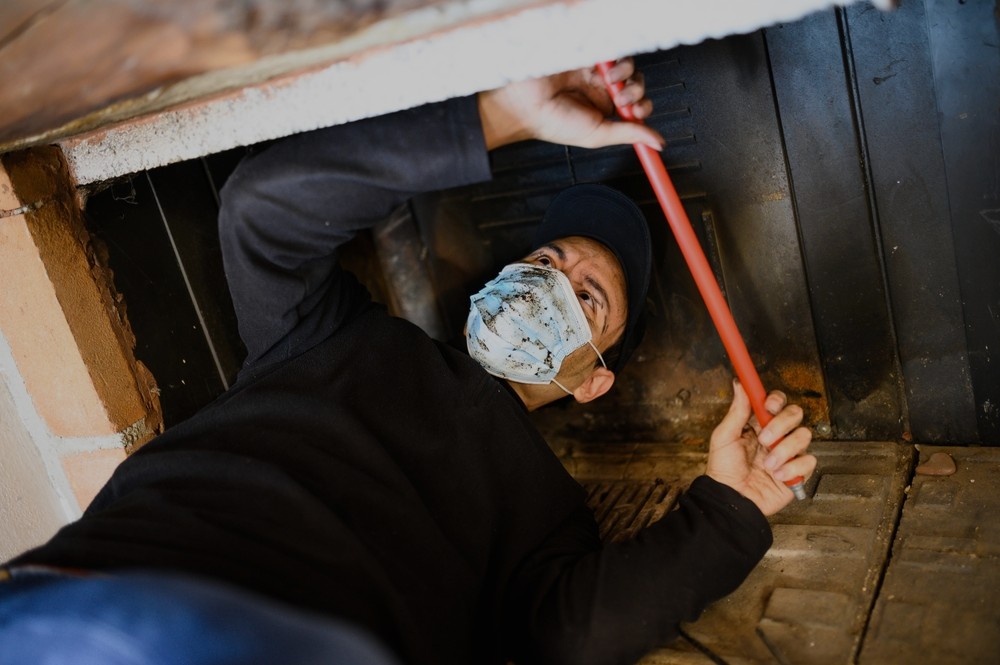
Regular chimney sweeping is essential for maintaining the safety, efficiency, and longevity of your fireplace and flue system.
Regular chimney sweeping is essential for maintaining the safety, efficiency, and longevity of your fireplace and flue system.
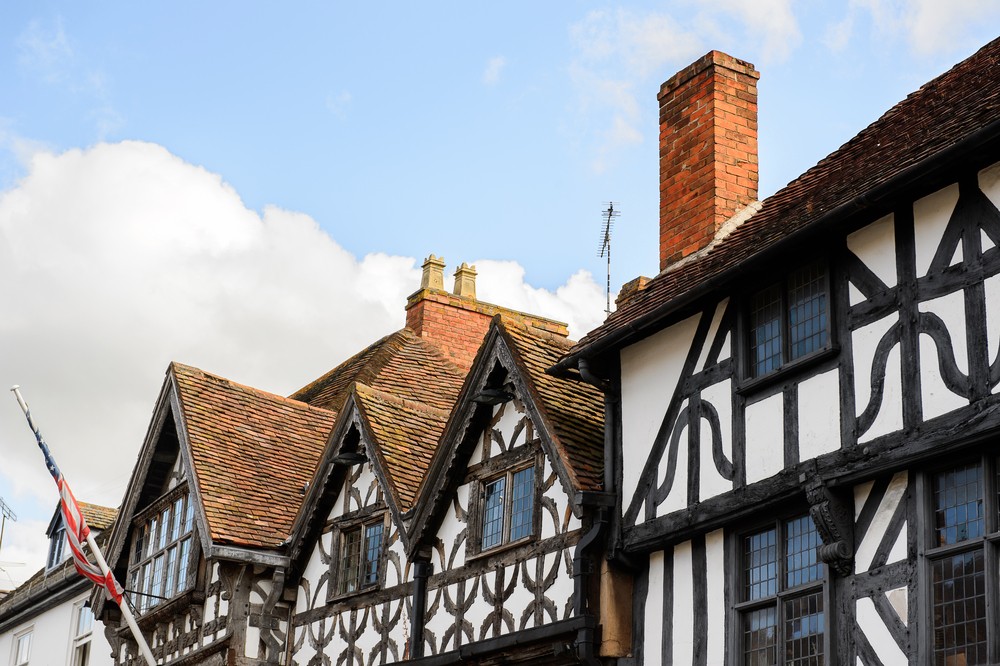
Chimney fires, although preventable, are not an uncommon occurrence. Our goal is to educate our customers on how to prevent a chimney fire and what steps to take if one occurs at your home.
When you have a wood-burning fireplace, the byproduct of combustion that we are most concerned with is creosote. Creosote forms as smoke travels through the chimney system, cooling as it rises, and creating condensation deposits that include unburned wood particles.
It appears as a black or brown tar-like residue on the walls of the chimney flue, sometimes crusty or flaky, and becomes shiny as it hardens. With each fire, these deposits build up, forming a thick glaze of creosote.
While creosote is a primary cause of chimney fires, other flammable materials can also block your flue system. Uncapped chimneys attract birds, squirrels, and other wildlife, which may build nests inside. Nesting materials, animal waste, fur, feathers, and other debris can cause blockages in the flue system and ignite, leading to a chimney fire or high heat event.
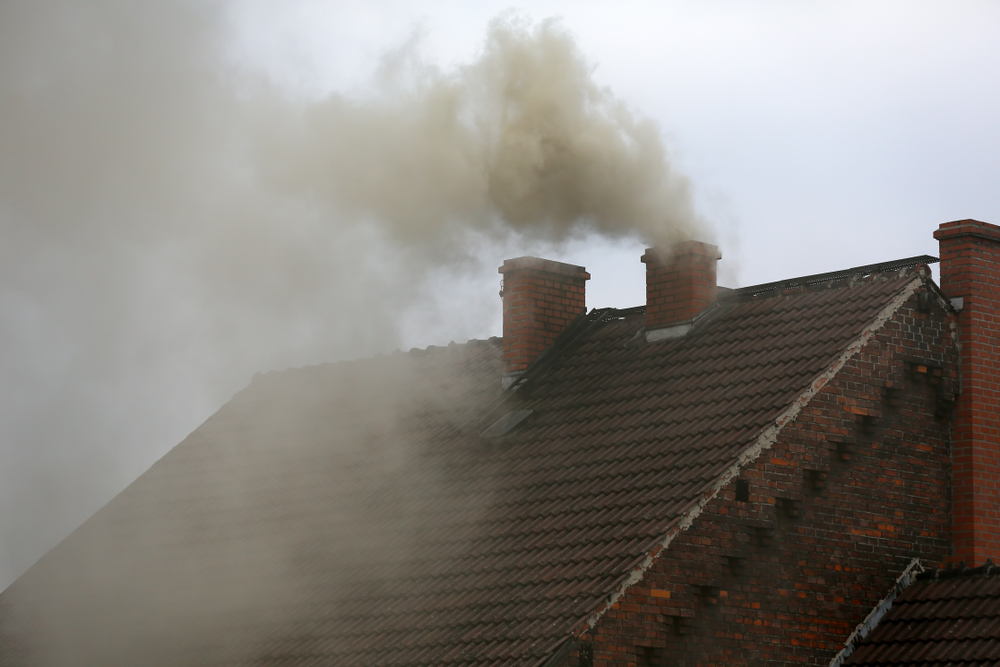
Creosote is not only highly corrosive to your flue system, but due to the unburned wood particles it contains, it also creates a highly combustible environment. When the flue system becomes excessively hot, it may ignite the creosote, resulting in a chimney fire.
While you may assume that your chimney is designed to contain fires, its actual purpose is to safely direct smoke and gases away from your home. Chimneys are not built to withstand internal fires.
In the UK, thousands of chimney fires occur each year. Between April 2018 and March 2019, there were 4,300 recorded chimney fires across England, Wales, and Scotland, many of which could have been prevented with regular sweeping and maintenance.
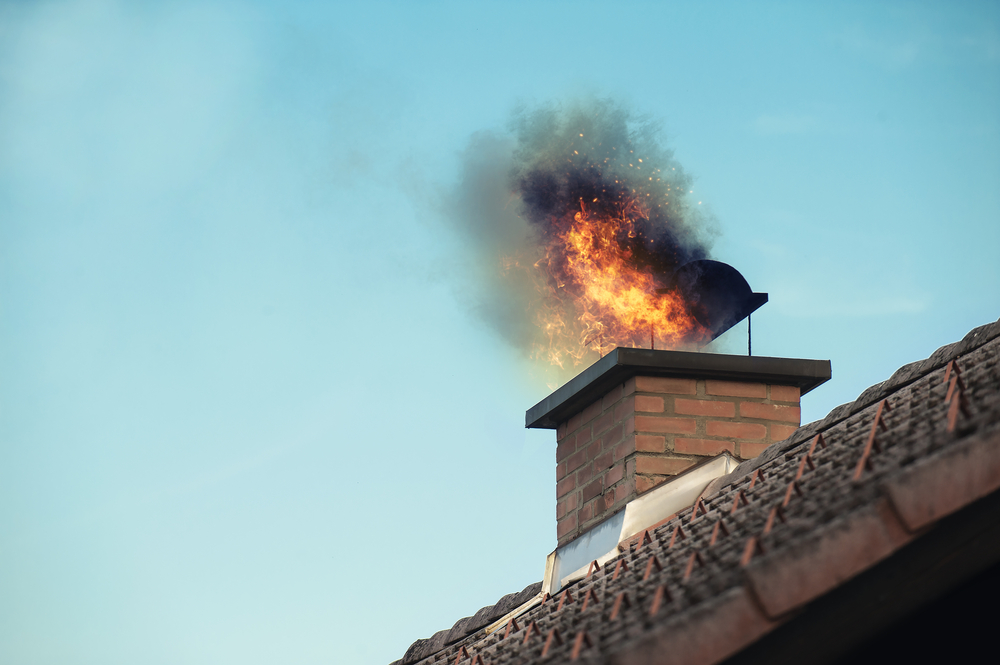
If your chimney has a clay-lined masonry flue, temperatures during a fire can exceed 1000°C. This extreme heat can cause thermal shock, leading to cracked clay tiles, melted mortar joints, collapsed flues, and shifting mortar. The biggest risk in these cases is that the fire can spread beyond the chimney to nearby combustible materials within the home, creating extensive damage.
Prefabricated or factory-built chimneys are often UL Listed to withstand heat up to 1150°C, but they can still suffer severe damage in chimney fires. If a prefabricated chimney is damaged, it must be replaced before further use.
Wood stoves are designed to handle high temperatures, but their connecting pipes and fittings are more vulnerable. A chimney fire can cause stove pipes to buckle, warp, or completely detach, allowing fire and smoke to escape into your home and ignite nearby flammable materials.
HETAS recommends having your chimney swept at least twice a year when burning wood or bituminous house coal, and at least once a year when using smokeless fuels. The best times to have your chimney cleaned are before the heating season begins and after prolonged periods of non-use.
Please don't hesitate to get in touch for any chimney sweeping work. No job is too big or small and we welcome all enquiries.